
What You Need to Know after a natural disaster
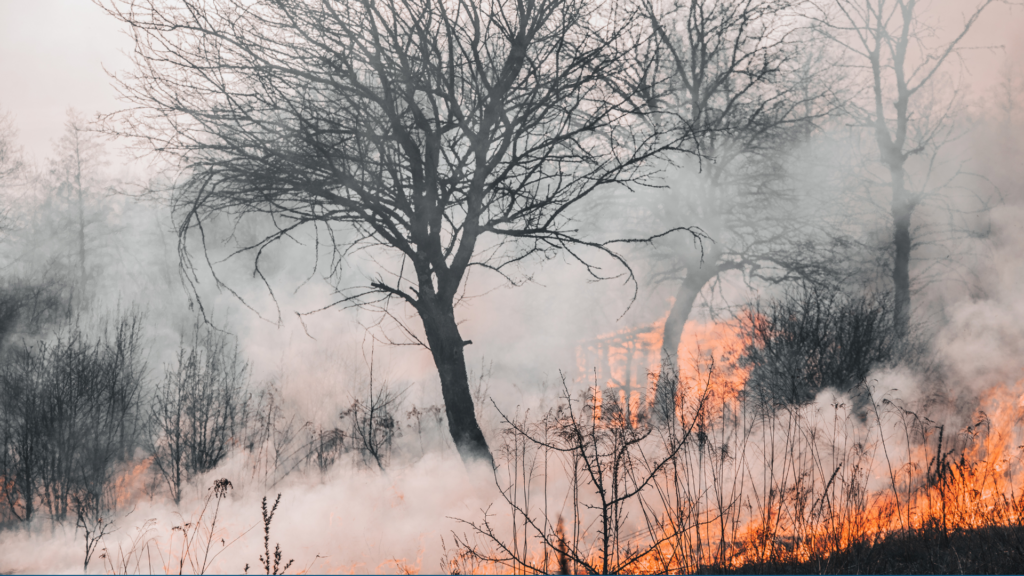
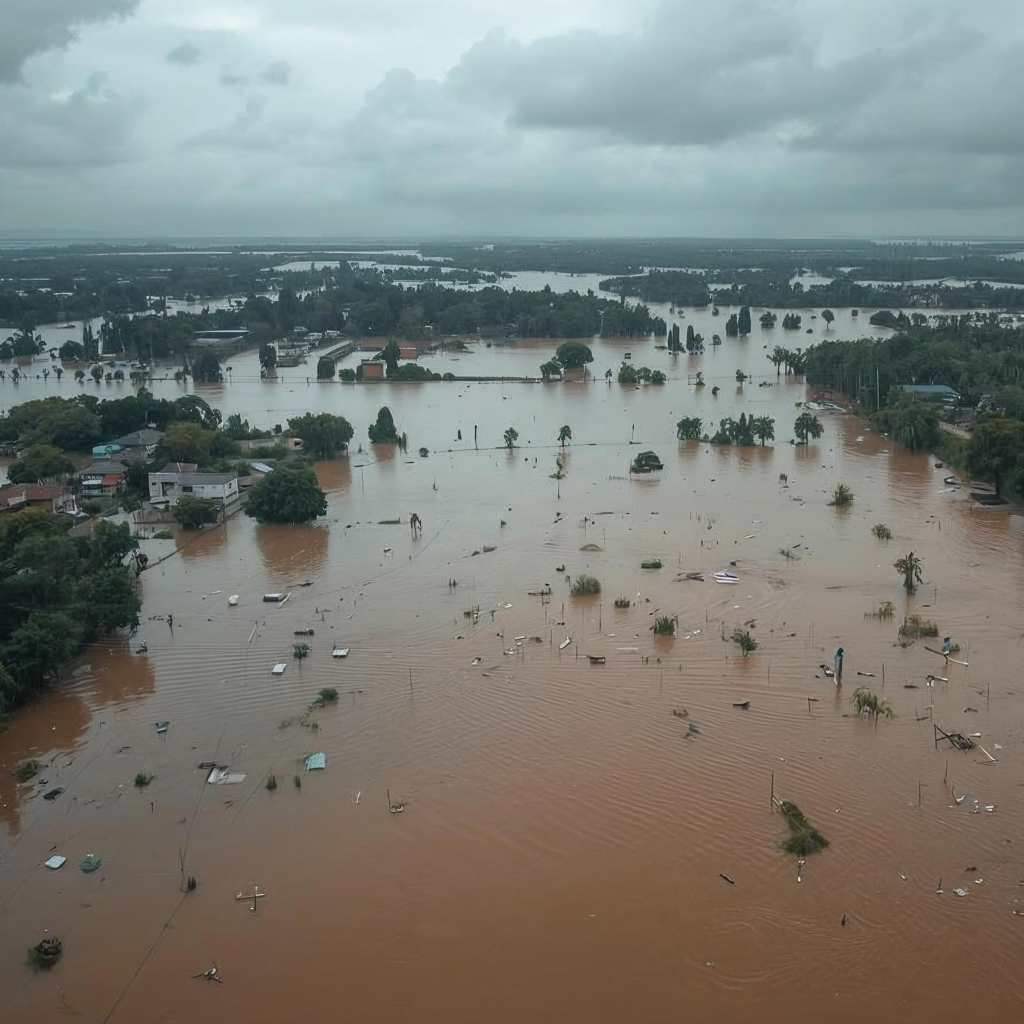
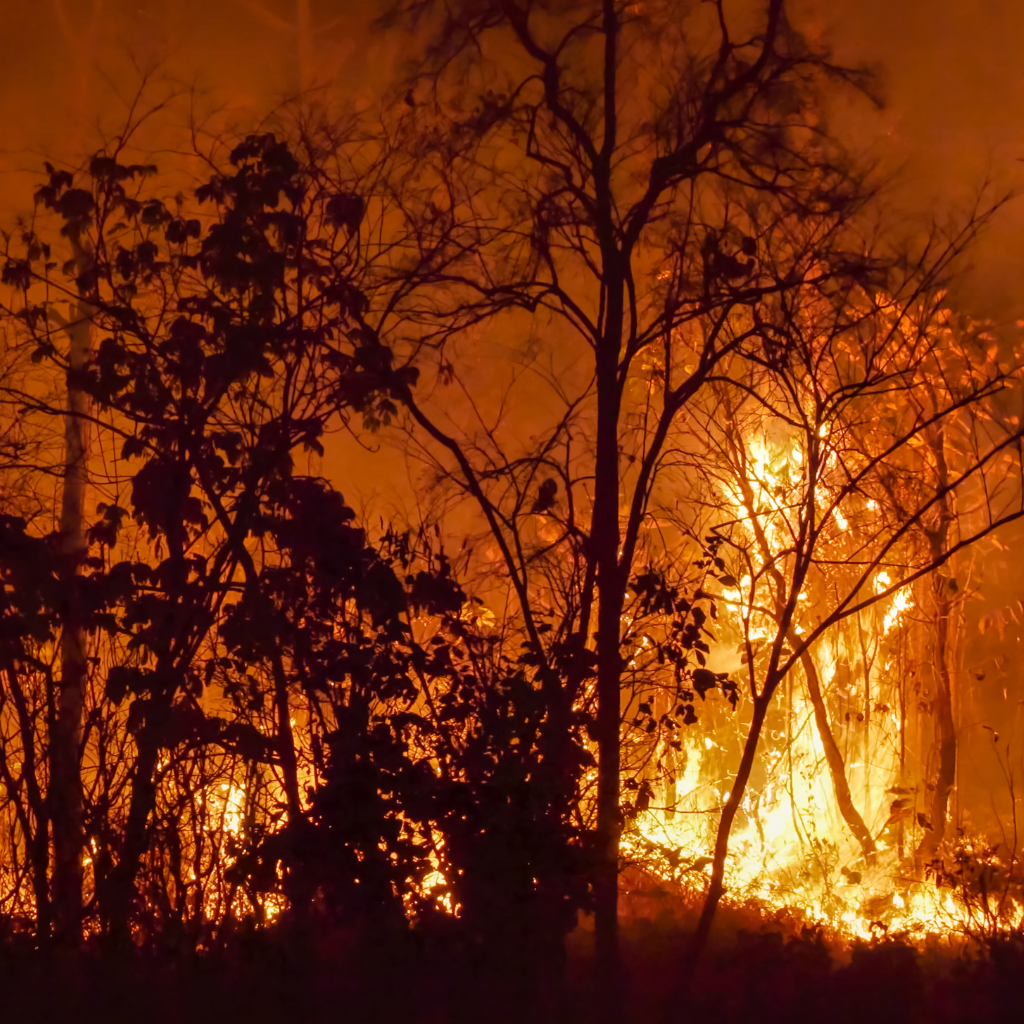
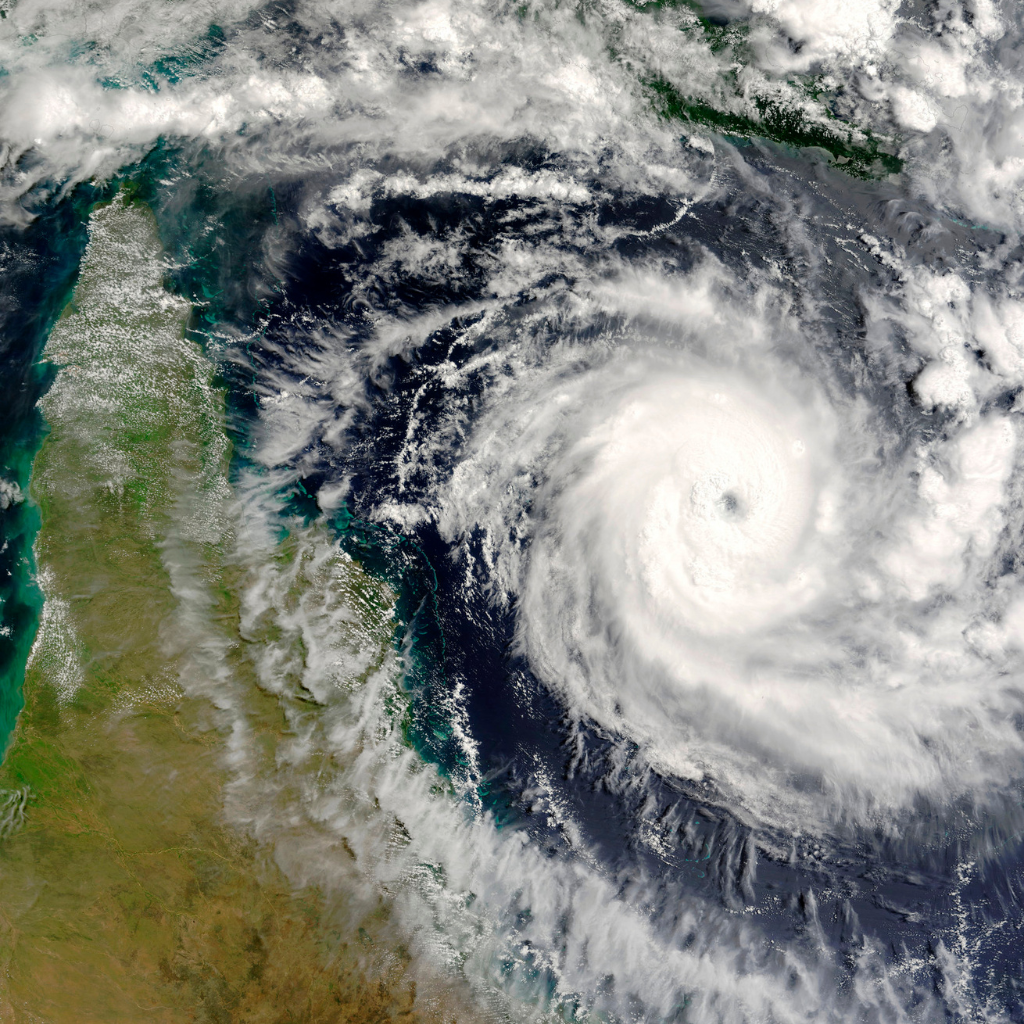
Natural disasters, whether bushfires, floods, cyclones or severe storms, can significantly disrupt exploration and mining activities across Australia. Beyond the immediate safety and operational impacts, tenement holders must also carefully manage their regulatory and compliance obligations during and after these events.
While regulators may provide temporary relief measures in declared disaster zones, statutory obligations under mining and petroleum legislation generally remain in place unless formal exemptions or variations are granted.
Below are key considerations for tenement holders navigating post-disaster compliance.
1. UNDERSTAND YOUR ONGOING STATUTORY OBLIGATION
Even where operations are suspended, holders must continue to monitor:
- Expenditure commitments
- Annual reporting deadlines
- Renewal application timeframes
- Environmental conditions and compliance requirements
- Rehabilitation and landholder obligations.
In most jurisdictions, failure to meet minimum expenditure or reporting requirements can jeopardise tenure unless formal relief is sought.
2. Keep Detailed Records of Disruption Impacts
Accurate documentation is critical, particularly if you later seek:
- Expenditure exemptions or variations
- Time extensions
- Waivers or reductions
- Relief from minimum work commitments.
Tenement holders should retain:
- Dated photographs and drone imagery of damage
- Incident reports and safety assessments
- Contractor cancellation notices
- Weather event declarations (eg state disaster declarations)
- Access restrictions or landholder correspondence
- Insurance claims documentation
- Internal board minutes or operational suspension records.
When applying for renewals or submitting annual technical reports, this evidence may be essential in demonstrating why planned work programs were not completed.
3. Expenditure Relief & Work Program Variations
Following significant events, state regulators may allow applications for:
- Exemption from minimum expenditure
- Variation to approved work programs
- Partial credit for unavoidable commitments
- Suspension of conditions in extreme cases.
However, relief is rarely automatic. Applications generally require:
- A clear statement of how the disaster directly prevented work
- Evidence that reasonable mitigation was attempted
- Confirmation that the tenement remains in good standing
- A forward-looking plan outlining proposed future work.
Early engagement with the relevant department is strongly recommended.
4. Environmental & Rehabilitation Responsibilities
Natural disasters can create new environmental risks, including:
- Erosion and sedimentation issues
- Damaged containment structures
- Fuel or chemical displacement
- Track or pad washouts
- Increased weed spread.
Tenement holders must assess whether additional rehabilitation or remediation is required and ensure environmental authorities are notified where relevant.
Failure to respond promptly can result in compliance action, even where damage was caused by a natural event.
5. Renewal Applications: Strengthening Your Position
When preparing a renewal application after a disrupted term, your submission should clearly demonstrate:
- Genuine work program progress to date
- Continued technical assessment of the project
- Financial capacity to resume work
- A realistic and revised forward work program
- Evidence of disaster-related disruption (where relevant).
A well-documented compliance history and proactive communication with regulators can materially strengthen renewal prospects.
6. Communications with Landholders & Stakeholders
Natural disasters often impact landholders more severely than operators. Maintaining transparent and empathetic communication is essential.
Keep records of:
- Access discussions
- Agreed site restrictions
- Compensation or adjustment discussions
- Rehabilitation commitments.
Strong landholder relationships can significantly assist during recovery periods.
7. Practical Post-Disaster Compliance Checklist
- Confirm whether your tenement lies within a declared disaster area
- Review upcoming statutory deadlines
- Document all impacts immediately
- Assess environmental and rehabilitation risks
- Contact the relevant regulator if expenditure relief may be required
- Update internal compliance registers
- Seek professional guidance before renewal or reporting deadlines
Proactive Tenement Management During Uncertainty
Natural disasters are outside the control of tenement holders, but regulatory compliance is not.
Careful documentation, early engagement with regulators, and strategic management of work programs are critical to protecting tenure during recovery periods.
At AMETS, we work closely with exploration, mining companies and regulatory bodies across Australia to manage tenement compliance, reporting, renewals and exemption applications, particularly during complex or unforeseen circumstances.
If your project has been impacted by a natural disaster and you would like guidance on your tenure position, our team is here to help.